Guqin: From Tradition to the Freedom of Sound Themed Workshop
Guqin: From Tradition to the Freedom of Sound Themed Workshop
古琴:从传统到声音的自由 主题工作坊
Activity Introduction
The guqin is a long-standing plucked musical instrument in Chinese history. Its uniqueness lies not only in the timbre and traditional repertoire but also in its way of expressing subtle changes in sound.
The transition from the production, continuation, to the gradual disappearance of a sound, the subtle movements of the performer’s fingers, the vibration of the strings, and the pauses between sounds all constitute an important part of guqin music.
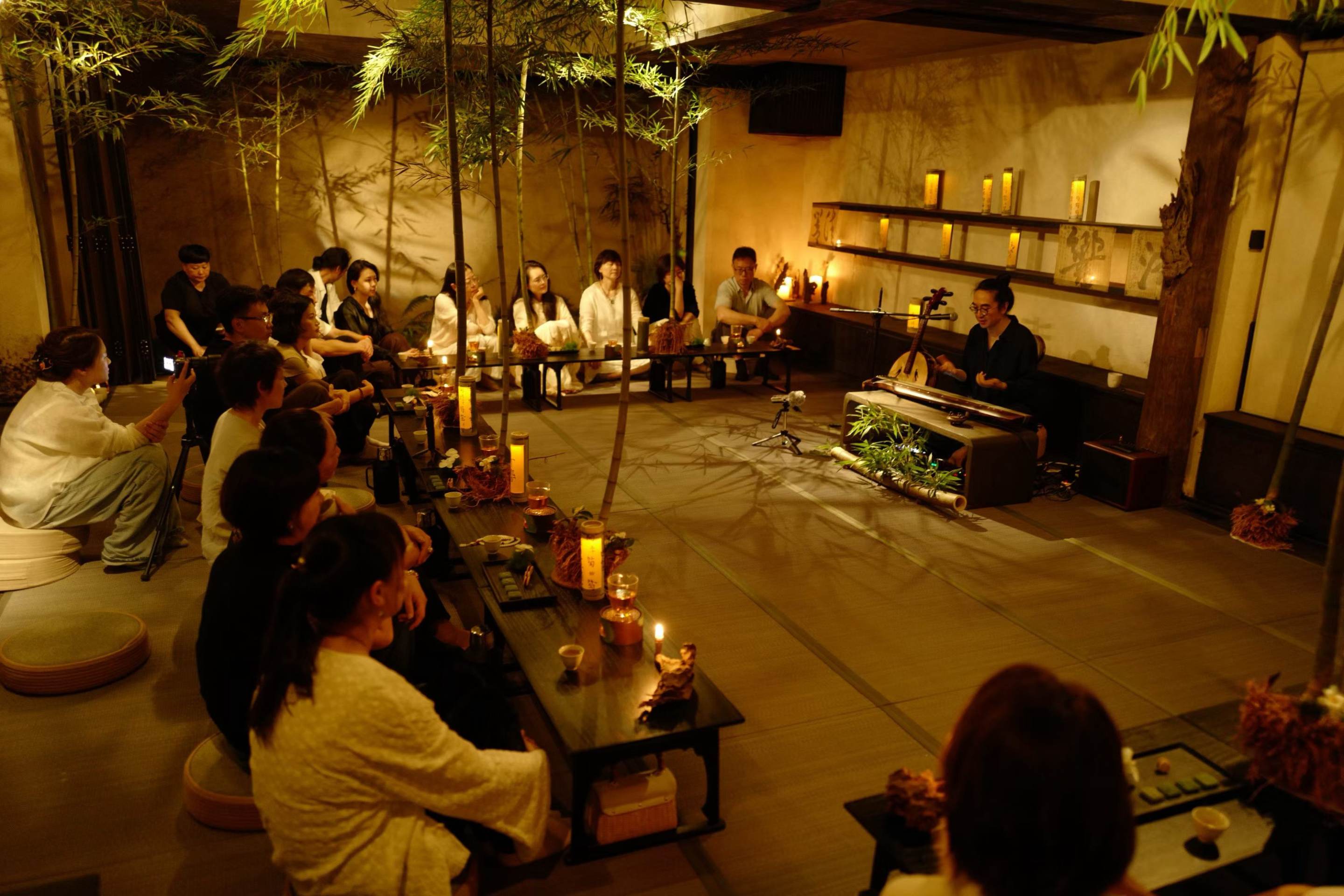
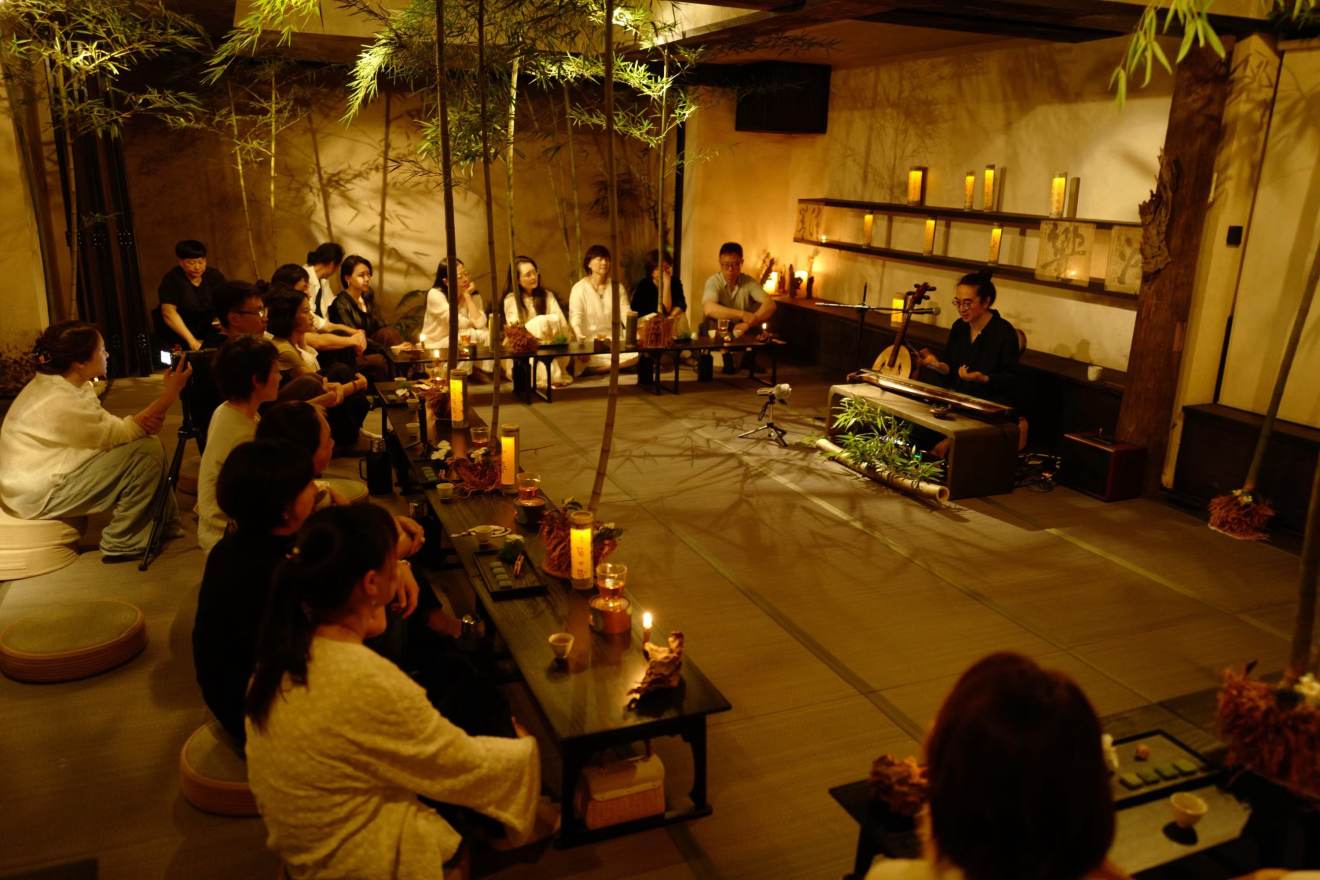
This workshop takes the guqin as a starting point, leading participants to recognize the world of guqin sounds and explore more possibilities of this ancient instrument in contemporary music through live performances, sound demonstrations, work sharing, and free improvisation.
Why does guqin music not necessarily need a clear melody? Does music continue after the sound fades? How can traditional instruments enter free improvisation and engage in dialogue with musicians from different cultural backgrounds?
These questions come from Zeng Xiaogang’s many years of guqin performance and cross-cultural music practice, and are also what this workshop hopes to explore with participants together.
The activity is not aimed at learning guqin playing techniques, but rather at re-understanding the relationship between sound, time, and musical expression through listening, communication, and on-site experience.
Personnel Introduction
Zeng Xiaogang, an independent guqin musician from Yunnan.
He studied world music at the Department of Music and Drama at the University of Gothenburg, Sweden, and has been actively involved in traditional music, contemporary music, free improvisation, and cross-cultural music cooperation for a long time.
His music practice spans Asia, Europe, and North America, and he has participated in international music activities such as the Norway Ultima Contemporary Music Festival, the Denmark Roskilde Music Festival, and the UK WOMAD Music Festival.
In recent years, he has continued to explore the possibilities of guqin expression in contemporary music, focusing on harmonics, echoes, non-melodic sounds, free improvisation, and the relationship between sound and time.
Representative works include “The Moon Sutras,” “Dancing Between Breaths,” and “heart·realm.”
Workshop Features
1. From Guqin Tradition to its Sound
Briefly introduce the history, cultural background, and basic playing methods of the guqin. Demonstrate the characteristics of the guqin through live performance, allowing participants to understand the different layers of guqin sound and how finger movements change timbre and musical time sense.
2. Listening from the Details of Sound
Focus on the relationship between string vibration, sound decay, left-hand movements, and echoes. Try to listen to the complete process of a sound from its appearance to its disappearance.
3. From Traditional Performance to Contemporary Expression
Combine the leader’s personal experience and music works to share how the guqin extends from traditional repertoire playing to experimental sound, cross-cultural cooperation, and free improvisation.
4. Understanding Free Improvisation through Complete Performance
With the leader’s on-site solo as the core, present how the guqin forms music without a pre-set score or fixed structure through string touching, timbre, pauses, and listening. Participants focus on listening, no collective voice or sound interaction is arranged.
5. Free Improvisation: Complete On-site Performance
The leader performs a guqin free improvisation without pre-set melodies, rhythms, or forms. Present how traditional guqin language enters personal contemporary music expression through sound generation, change, pauses, and decay. Participants focus on listening, no voice or ensemble is arranged.
6. Q&A and End
Briefly answer questions about the characteristics of guqin sound, the relationship between tradition and contemporary, free improvisation, and listening experience.
The above is the basic content of the activity, which will be arranged flexibly according to the actual situation of performance, storytelling, and communication, without setting fixed time limits for each section.
Important Notice
– No guqin or other musical instrument playing experience is required, and there is no need to bring your own instrument.
– The activity focuses on on-site listening, guqin performance demonstration, work sharing, and Q&A.
– There are no audience voice, ensemble, or other sound interaction sections.
– The workshop is not aimed at mastering guqin playing techniques or completing musical works.